
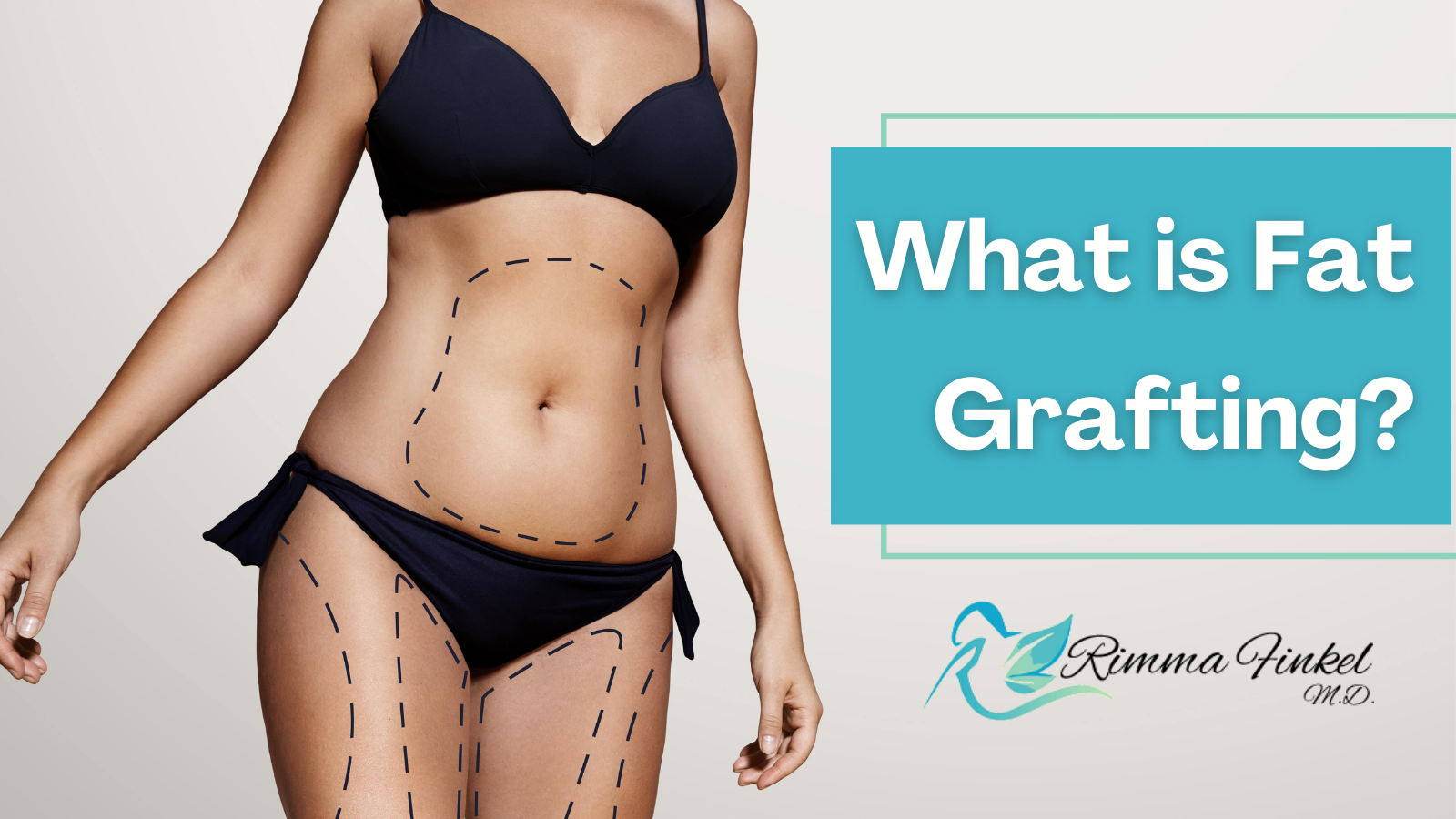
Curves are in right now, and while working out can help transform the body in various ways, sometimes the curves you are trying to achieve just won’t happen. This is when many women turn to fat grafting. But what is fat grafting? Also known as a fat transfer, this procedure helps volumize specific areas of the body while removing fat from unwanted places.
The process of fat grafting involves refining the fat and reinjecting it into specific areas of the body. This procedure is often used to enhance certain areas of the body, such as the face, hands, hips, and even buttocks. If you are wondering exactly what fat grafting is and are looking for answers to frequently asked questions about the procedure, read on to learn more. Fat grafting may be a good solution if you want to remove unwanted fat and accentuate other areas of your body. For questions about the procedure or to schedule your consultation, contact the office of Dr. Rimma Finkel today. You deserve to look and feel your best!
Contouring the Body
From your buttocks to your breasts, fat grafting can enhance the natural contours of your body. With a breast augmentation or a butt lift, you can use your own harvested fat to increase the size of your curves. The most common areas of fat grafting are:
- Face – restores youthful appearance
- Breast – increases breast size
- Hips – adds volume to the hips to appear more feminine
- Buttocks – makes buttocks tighter and perkier
- Hands – rejuvenates the appearance of hands
- Feet – provides padding for bony feet
Fat is taken from unwanted areas, such as the hips, back, or abdomen, through liposuction. The process of harvesting the fat ensures that the injected fat is purified. There are 3 main steps of a fat grafting process:
Removing the fat
Similar to liposuction, your chosen surgeon will make small incisions in the skin and then remove the necessary amount of fat through a thin tube.
Preparing the fat
During this step of the process, your surgeon will use special equipment to separate the fat from blood and other bodily fluids.
Injecting the fat
In the final step, your surgeon will inject small amounts of fat into the area that’s being treated.
Benefits of Fat Grafting
- Long-lasting results
- Stem cells from fat can result in a better tissue quality
- Area from which the fat was taken may appear slimmer
- Quick recovery period
- Safe and effective
Potential Side Effects of Fat Grafting
- Temporary numbness of the area
- Bruising and swelling of the area
- Scarring which will fade as time goes by
As a trustworthy cosmetic surgeon, Dr. Finkel wants you to know some of the more serious side effects which can occur in some patients. These risks of complications are quite rare, and while fat grafting is a safe procedure, there are some possible side effects. Some of the side effects which can occur but are quite rare are:
- Hematoma
- Excessive bleeding
- Blood clots
- Infection
- Fat necrosis
- Fat embolism
- Pneumothorax
- Hypertrophic scars
If you have any concerns about potential risks or side effects, be sure to talk to your chosen surgeon. You can also contact Dr. Rimma Finkel with any questions.
Know Where You Want Your Curves
When you meet with your chosen surgeon for a consultation, you know what area(s) you want to be enhanced. You should also have an idea of where you will take the fat from. Your surgeon will then assess your body and decide the best places to remove fat. The point of fat grafting is to utilize your own fat to change the shape of your body instead of using artificial fillers.
Frequently Asked Questions About Fat Grafting
What is fat grafting?
If you are looking for curves but can’t seem to achieve your goals with weighted workouts, you may be considering fat grafting. Fat grafting is a great option for those looking to enhance their natural curves and remove fat from unwanted places on the body.
Is fat grafting the right procedure for me?
Fat grafting might just be the right procedure for you if you have some extra body fat available for transfer. It’s a good option if you’re trying to enhance the contours of body parts such as the lips, cheeks, breasts, buttocks, etc. This might also be an ideal procedure for you if you’re trying to fill the deep wrinkles caused by the natural aging process.
Where can the fat come from for this procedure?
During the fat grafting process, many people will ask where the fat can come from on the body. In short, fat can come from anywhere on the body that has excess fat that hasn’t been removed before. This is so that scar tissue doesn’t negatively affect harvesting. Ideally, fat should come from a place with a larger quantity of soft fat, such as the abdomen, so that the area appears smaller or flatter after the procedure.
What is the recovery time for fat grafting?
As with all procedures, recovery time will vary based on the patient’s individual health and personal healing. It also depends on where you have the fat injected. If you have it injected into your lips, swelling may occur for a few days, but it shouldn’t inhibit you from everyday activities and pain is minimal. On the other hand, if you get a Brazilian Butt Lift through fat grafting, you may have difficulty sitting anywhere from 1 to 2 weeks and are limited on activity until the body has fully healed. You can and should always ask your doctor about recovery time based on your specific procedure.
How much does fat grafting cost?
The cost of this procedure varies by patient. Some factors we consider are how much fat we need to transfer and where on the body that fat is going. For more information, contact our office at (480) 963-3034 and schedule an appointment with Dr. Finkel.
Which is the better option, fillers or fat grafting?
Most doctors will agree that filling a space with a substance or material is ideal. By this we mean, if fat is missing from the face, fill in the areas with fat; if a bone replacement is needed, using a bone graft to replace it is the best option. While fillers are very popular and there are pros and cons to both fat transfers and fillers, utilizing something from your own body can be seen as the better option in certain scenarios.
How do I know if I am a candidate for fat grafting?
We always suggest a consultation with a plastic surgeon to determine if a fat transfer procedure is the best option for you and ensure that you are in fact a candidate. All patients who want to get any type of procedure need to be in relatively good health. There are many reasons for this, including reducing the risk factor and recovery time. To make an appointment with Dr. Finkel about possible fat grafting or any other procedure you may want to get, click here!
How long will the procedure take?
Again, this will depend on your specific fat grafting procedure.
Is fat grafting permanent?
Yes. When transferring fat from one area to the next, roughly 80% of the fat survives.
Will the fat ever turn into muscle if I continue to work out the area that has newly injected fat (buttocks)?
No, the fat will never turn into muscle.
Dr. Rimma Finkel – A Double Board-Certified Cosmetic Surgeon Serving Phoenix, AZ, And The Surrounding Area
Choosing the right surgeon for fat grafting should be your top priority. When you choose a surgeon with a proven track record, you minimize the risks which might be involved. When doing your research, be sure to select a surgeon who is board-certified and has plenty of experience performing these procedures.
Dr. Rimma Finkel is a double board-certified cosmetic surgeon and one of the only female surgeons serving the Greater Phoenix area. Call Dr. Rimma Finkel today at (480) 963-3034 or schedule a consultation online. Get the curves you’ve been dreaming of and regain your confidence. Everybody deserves to be confident in their own bodies!
